
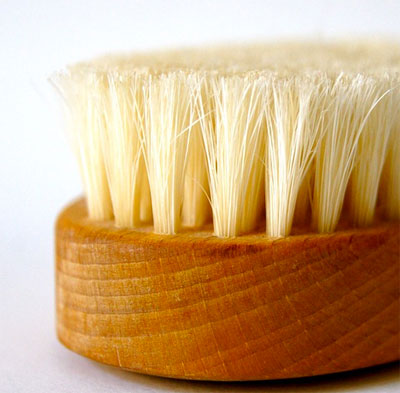
One of the big reasons why people start dry brushing is to detox the lymphatic system. But how does it really work? What are the benefits?
Katie Wells of Wellness Mama lists “Lymphatic Support” as the first benefit of dry body brushing. She explains that “the lymphatic system is a major part of the body’s immune system”.
Advocates of skin brushing argue that a consistent brushing regimen can help promote the body’s normal lymph flow and therefore help the body detoxify naturally.
Lymphatic Brushing Techniques with Dr. Mindy Beck ND
In the video below, Dr. Beck shows specific lymphatic brushing techniques that we can use to help detox our bodies. In addition to benefiting the lymph system, this practice also calms the nervous system and supports cardiovascular function.
First, she recommends choosing a brush with natural bristles and using long gentle strokes. Move the brush toward the heart or the lymph node drainage area. (3/4 of the lymphatic system drains into left armpit area.)
Second, she says to pay special attention to the abdomen area. Since the abdomen contains 60-70% of our lymphatic tissue, we want to spend at least 60 seconds brushing there. Use a clockwise motion, starting from the right side.
Third, you don’t want to over-brush. In fact, you may want to begin slowly, such as a few days a week, before progressing to a daily routine. In addition, you want to be careful to avoid varicose veins, open cuts, sunburns, rashes etc..
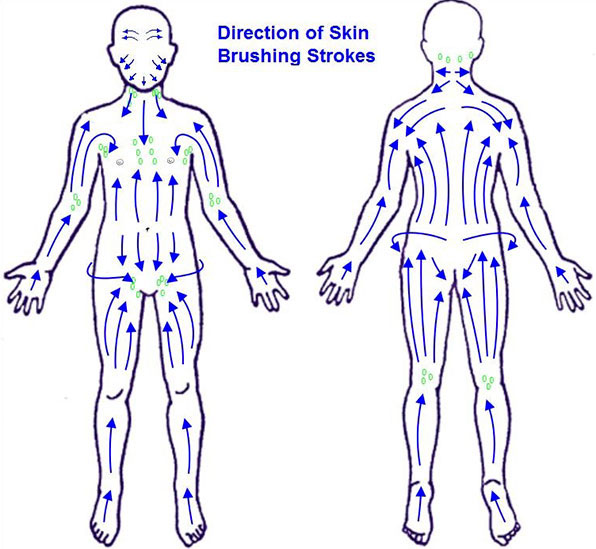
How to Do Dry Brushing for Lymphatic System Health:
Here’s a step-by-step guide on how to perform dry brushing for lymphatic system health:
- Select the Right Brush: Opt for a brush containing natural bristles. Plus, you want an elongated handle for ease of reaching different body parts.
- Gentle Strokes: Begin brushing gently. Use long and smooth strokes, always moving towards the direction of the heart or lymph node areas. This aids in following the natural direction that lymph travels.
- Focus on Lymph Node Areas: Pay particular attention to zones where lymph nodes are dense, (ie. armpits, groin neck). Approximately 3/4 of the lymphatic system drains into the left armpit area.
- Prioritize the Abdomen: Allocate extra time to brush the abdomen as it houses a significant portion (about 60-70%) of lymphatic tissue. Use delicate circular motions, initiating from the right side and moving in a clockwise direction. This mimics the natural flow of the digestive system and supports lymphatic drainage.
- Start Gradually: If you’re new to dry brushing, ramp up slowly. For instance, start with 2-3 days a week, gradually progressing to a daily regimen.
- Avoid Sensitive Areas: Take care near sensitive or damaged skin, varicose veins, open cuts, sunburns, rashes, or areas of irritation.
- Post-Brushing Care: Follow up dry brushing with a shower to wash away the loosened dead skin cells. Apply a moisturizer to keep the skin hydrated and healthy.
What About a Lymphatic System Detox?
In her book, The Hormone Secret, Discover Effortless Weight Loss and Renewed Energy in Just 30 Days, Dr. Tami Meraglia MD shares that “Your skin absorbs toxins and chemicals, and dry brushing helps the skin’s detoxification abilities”. She even recommends doing dry skin brushing exfoliation once a day during a cleanse to help stimulate the lymphatic system.
Dry Brushing VS Lymphatic Drainage Massage:
Dry brushing for lymphatic drainage involves dragging a soft body brush along the skin, stimulating lymph circulation. Lymphatic drainage massage is a hands-on technique performed by a trained therapist, manually manipulating lymph nodes to encourage lymph movement. Both aim to support lymphatic system function but differ in approach and depth of manipulation.
How Dry Brushing Can Also Help Heal the Adrenals
Dr. Alan Christianson is also a big proponent of therapeutic skin brushing due to its capacity to “reset” the adrenals.
As Dr. Beck mentioned above, lymphatic brushing can help calm the nervous system. Well, the adrenal glands are also affected by the nervous system.
Even More Health Benefits…
Since tactile nerves lay right underneath the skin, body brushing can calm the brain, lower stress hormones and help regulate cortisol. As a result, results show people sleeping better, losing weight more easily and having boosted energy.
Another home-based option that is growing in popularity is using a vibration platform. These machines cost more than a dry brush, but they also provide other health benefits. For example, they can help strength bones, boost metabolism, improve flexibility and decrease stress.
Below, Dr. Christianson shares an insightful and somewhat controversial opinion of achieving better hormonal health via simple dry brushing techniques. Instead of relying on medication, why not soothe, calm and heal the body as a way to better health?
Dry Brushing for Lymphedema:
Just like it promotes toxin flushing by stimulating the lymphatic system, body brushing can help with lymphedema.
Some users recommend carrying out your brushing routine right after you wake in the morning. You also want to establish a consistent practice, which will get your better results.
Consequently, you want to use a softer brush versus coarser bristles and apply minimal pressure. For example, a rough brush used frequently may agitate the skin and produce more problems than benefits.
Pros & Cons of Dry Brushing for Lymphatic Drainage:
Dry Brushing Benefits:
Lymphatic Stimulation: Dry brushing involves the gentle brushing of the skin with a natural-bristled brush, which can help stimulate the lymphatic system. This process may improve lymphatic flow, aiding in the removal of toxins and waste from the body. Consistent dry brushing can support the body’s natural detoxification processes, potentially leading to enhanced overall health.
Exfoliation: By sloughing away dead skin cells, dry skin brushing acts as an effective exfoliation method. This can leave the skin feeling silkier and softer, while also helping to prevent clogged pores and ingrown hairs. Regular exfoliation through dry brushing can promote a smoother, more radiant skin texture.
Improved Circulation: The act of dry brushing can also accelerate blood flow, which may in turn contribute to healthier circulation and improved skin tone. Enhanced blood circulation can help deliver essential nutrients to the skin, promoting a more vibrant and youthful appearance.
Invigorating: Many people find that dry brushing provides an energizing and invigorating sensation, particularly when performed in the morning. The stimulating effect of dry brushing can help wake up the body and mind, making it an excellent addition to a morning routine. This invigorating practice can set a positive tone for the day ahead, leaving you feeling refreshed and revitalized.
Drawbacks of Lymphatic Skin Brushing:
Skin Sensitivity: Individuals with highly sensitive skin or conditions such as eczema or psoriasis may not respond well to dry brushing. This technique can cause irritation, redness, or even abrasions if performed too vigorously. For those with delicate skin, it’s important to proceed with caution and use a softer brush to minimize potential discomfort.
Risk of Injury: Improper technique or overly aggressive brushing can damage the skin, leading to microtears or irritation. It’s essential to use gentle strokes and avoid applying excessive pressure to prevent injury. Beginners should start with light pressure and gradually increase it as their skin becomes accustomed to the brushing.
Lack of Scientific Evidence: While many people report benefits from dry brushing, scientific evidence supporting its effectiveness in detoxifying the body is limited. Most of the purported benefits are anecdotal, and more research is needed to confirm its efficacy. Therefore, it’s important to approach dry brushing with realistic expectations and not solely rely on it for detoxification.
Potential Discomfort: Dry brushing can cause discomfort or pain if the brush bristles are too rigid or if excessive pressure is applied. Individuals might experience sensitivity or unpleasant sensations during the process. Choosing a brush with the appropriate bristle firmness and using gentle, mindful strokes can help mitigate this issue.
Not a Standalone Solution: Dry brushing should not be relied upon as the exclusive method for detoxification or overall health improvement. It is most effective when integrated into a comprehensive wellness routine that includes proper nutrition, adequate hydration, regular exercise, and other healthy lifestyle habits. Combining dry brushing with these practices ensures a more balanced approach to health and well-being.
The Bottom Line:
Dry brushing involves gentle strokes on the skin with a natural-bristled brush, potentially stimulating the lymphatic system and improving circulation. Advocates report that the benefits of dry brushing for lymphatic drainage include toxin removal, exfoliation and potential support for adrenal health.
However, scientific evidence supporting its detoxification effects remains limited. Caution is advised for individuals with sensitive skin, as harsh brushing may cause irritation. It’s also best considered as part of a broader wellness routine rather than a standalone solution.
Last Updated June 1, 2024